
Student and Faculty Highlights

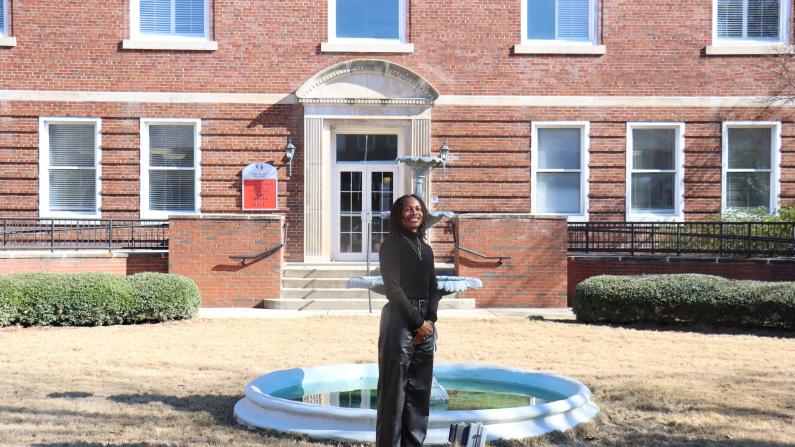
Dr. Tory Johnson
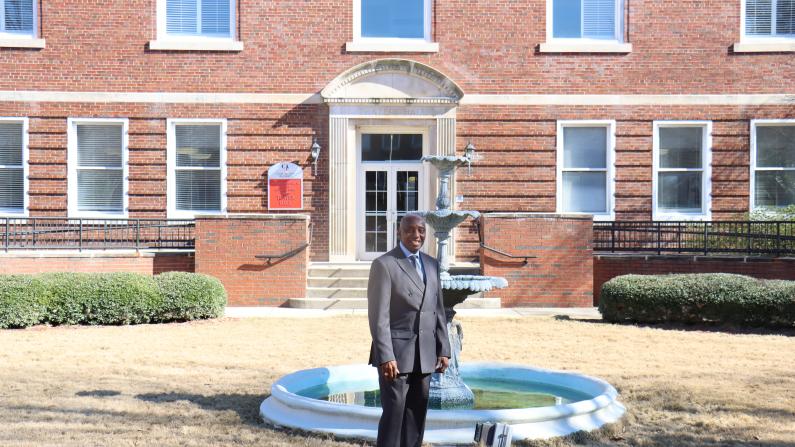
Tory, one of CAU's distinguished Ph.D. graduates, has achieved a major milestone with the approval of a U.S. Provisional Patent Application for his invention, "Antibacterial Compounds and methods of Isolating from Thuja arborvitae." His research uncovered four novel plant-based compounds with potent activity against even multi-drug resistant (MDR) bacteria, a discovery with significant potential to advance antibiotic development amid rising global resistance. Supported by Title III funding, Tory's work reflects exceptional innovation and impact. He successfully defended his dissertation and graduated this past May 2025, an outstanding accomplishment for a rising scholar.
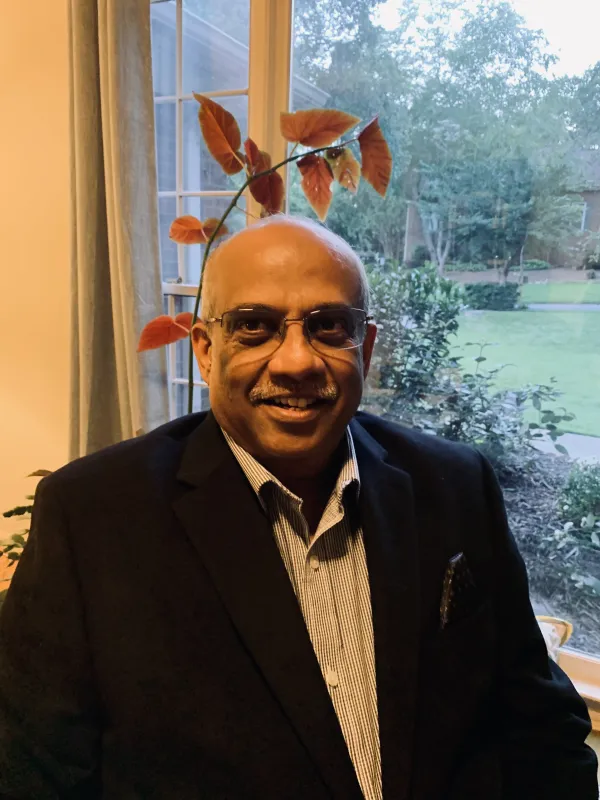
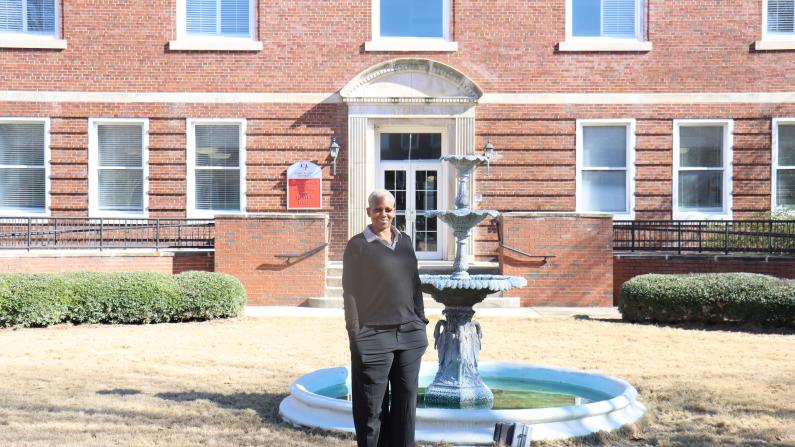
Dr. Ishrat Khan
Dr. Ishrat Khan is a distinguished leader in academic research and education, specializing in polymer chemistry and science. With a rich history of mentoring and advising, he has guided doctoral and master’s students, playing a pivotal role in shaping the next generation of experts in the field. Currently, he leads a dynamic research group consisting of doctoral students and postdoctoral fellows, focusing on cutting-edge advancements in materials for batteries, high-performance polymers, and sustainable materials.
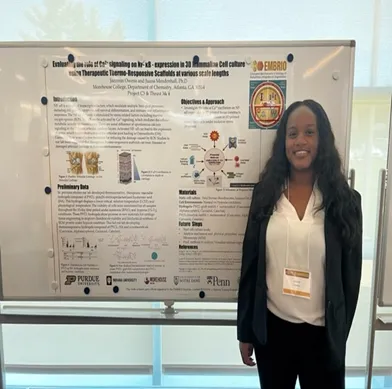
Ms. Jazzmin Owens
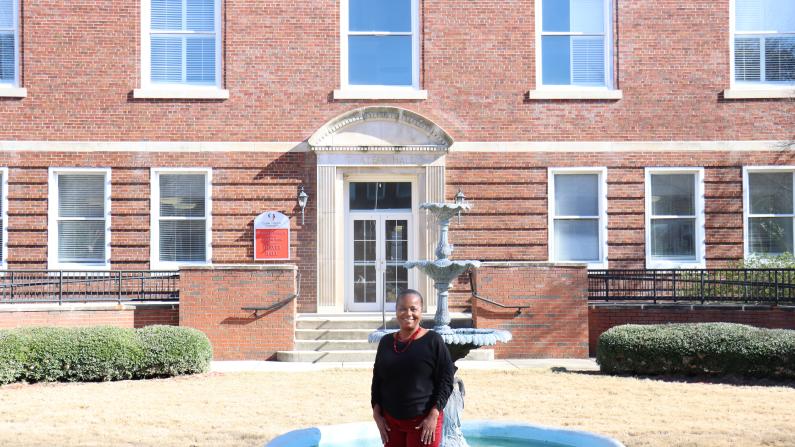
Jazzmin has successfully completed both her research prospectus and qualifying examination. Her dissertation, titled *“Calcium (Ca2+) and Reactive Oxygen Species (ROS) Crosstalk Signaling in 3D Cell Culture to Control Inflammatory Response at Multiple Length Scales,”* investigates the interaction between ROS and calcium signaling in osteoarthritis. Her work aims to develop therapeutic strategies to reduce inflammation-induced damage by targeting these key signaling pathways in a 3D cellular environment. Jazzmin's research is to advance the understanding of inflammation in chronic diseases, with a specific focus on innovative, multi-scale biological modeling.
National Presence, Lasting Impact
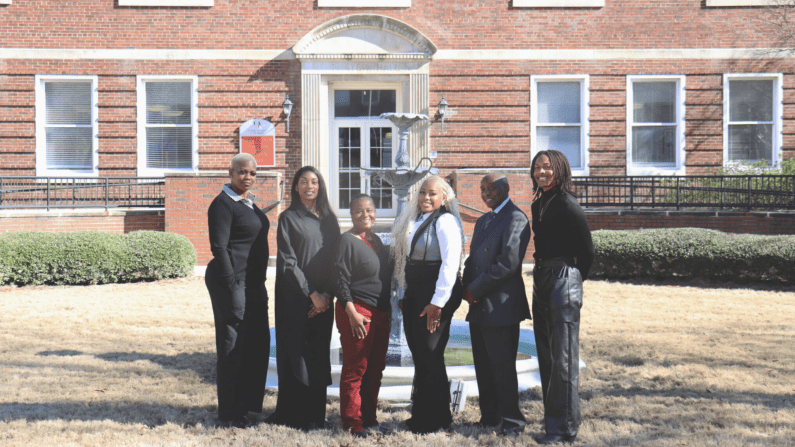
The CAU Title III Team was honored to present at the 2025 Title III HBCU Technical Assistance Workshop in Washington, D.C., this past June, a national forum focused on strengthening HBCU institutional capacity and federal grant compliance. We participated in sessions on grants management, strategic planning, and leveraging federal resources to advance student success and academic excellence. Our panel, featuring Assistant Director Jennifer Barnes, Assistant Impact Specialist Yamise Cameron, Communications/Project Specialist Marie Brown, STEM Professor Dr. Ishrat Khan, and Ph.D. Student William Gladney, highlighted the transformative impact of Title III funding, The workshop not only deepened our technical expertise but also fostered valuable connections that will enhance our institutional practices and support our long-term goals.
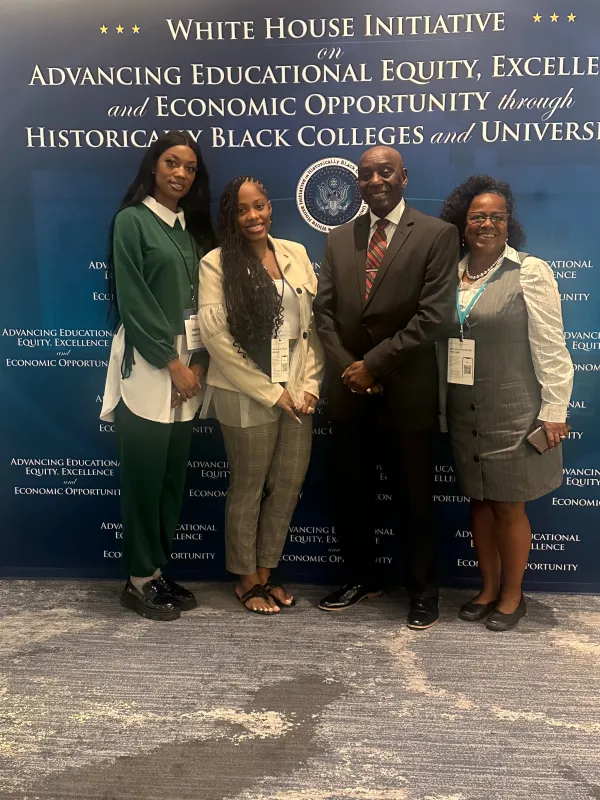
2025 HBCU Technical Assistance Workshop
Executive Director Perry Herrington, a Past President of the Title III National Association, also presented at the Workshop on "On Boarding Title III Projects in Alignment with the Legislative Allowable Activities (LAA's)." This was a follow-up to his online collaborative effort with the Department of Education in conducting a Pre-Application Workshop in March 2025.
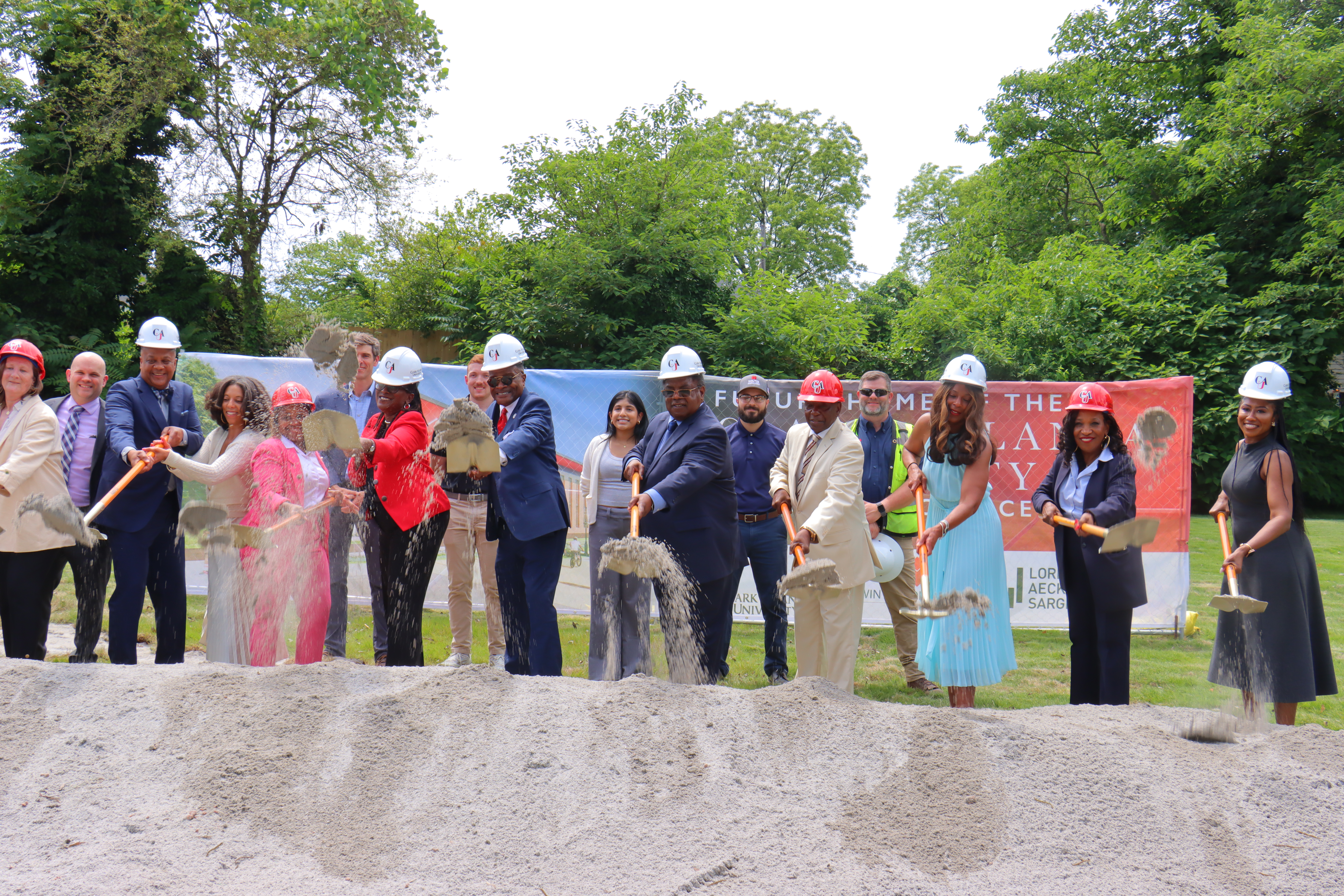
CALL TO ACTION: Showcasing Our Impact
At the HBCU Technical Assistance Workshop, we underscored the importance of demonstating the value and effectiveness of our programs, not only to meet compliance requirements, but to celebrate and sustain the transformative work taking place at CAU. To lead this effort and model best practices, we outlined the following, three-step action plan:
Step 1: Tell Your Impact Stories- Begin by capturing the powerful narratives behind your programs.
Step 2: Document the Impact- Support your stories with data. Collect and organize measurable outcomes.
Step 3: Create an Impact Card or Summary Document- Package your impact into a concise, visual one-pager of key statistics, success stories and program highlights.
Meet Our Team