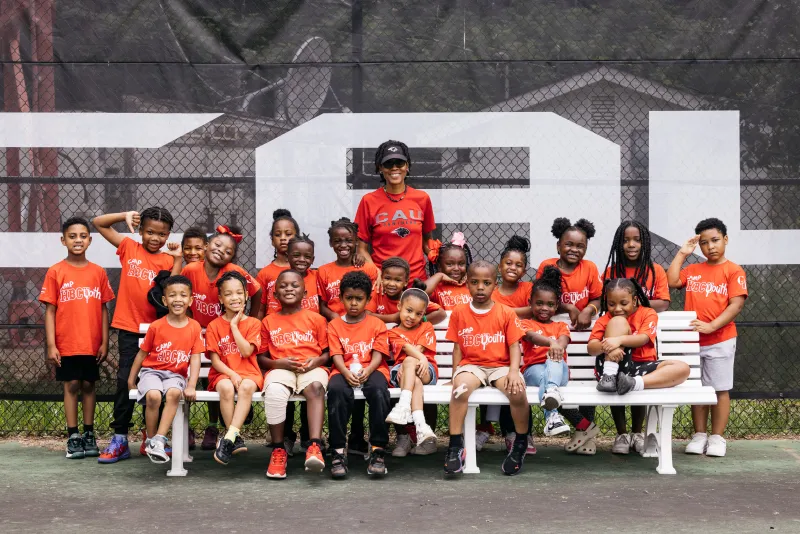
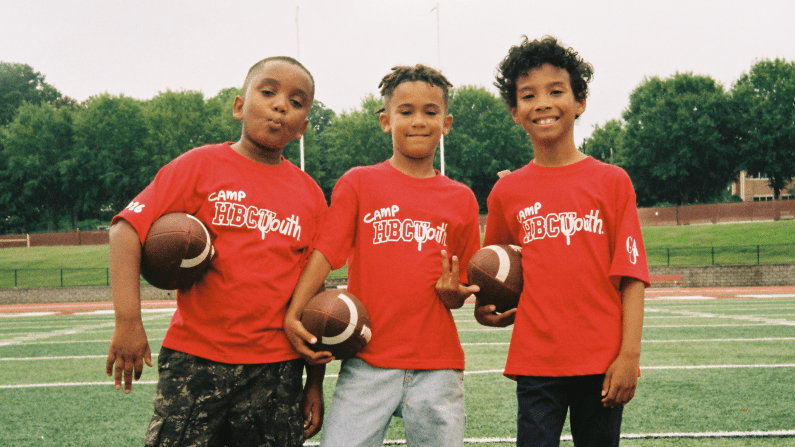
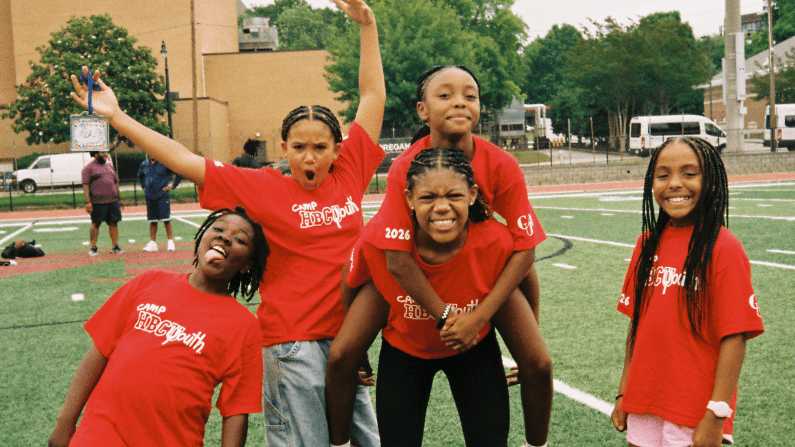
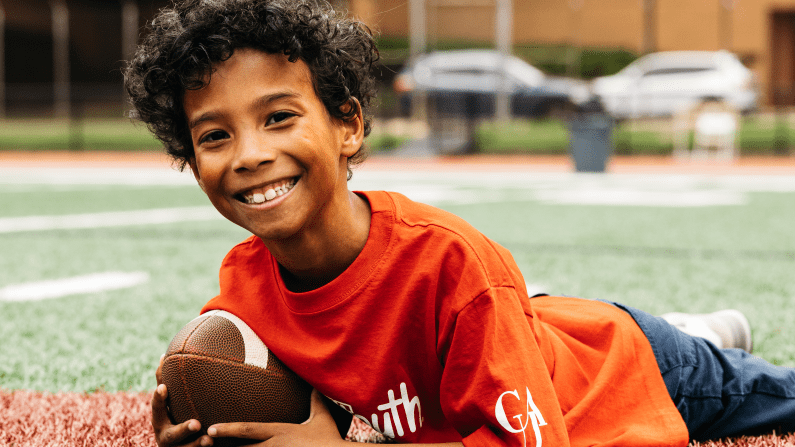
Clark Atlanta University’s partnership with Camp HBCYouth reflects a shared institutional commitment to expanding access, strengthening educational pipelines, and cultivating the next generation of leaders. Through immersive campus experiences, mentorship, and workforce development opportunities, the collaboration demonstrates how HBCUs and community organizations can work together to shape futures long before students submit a college application.
“At its core, Camp HBCYouth exists to help young people see what is possible,” said Co-Founder and Chief Marketing Officer Brian Wright. “Sometimes all it takes is one visit to a college campus, one mentor, or one experience to change the trajectory of a young person’s life. I know that because it changed mine.”
A Shared Mission Rooted in Access and Exposure
Camp HBCYouth was founded in 2022 to address a critical gap in early exposure to higher education, particularly within underserved communities. The program introduces elementary and middle school students to HBCU campuses, pairing academic enrichment with cultural identity and leadership development.
“My career has been built at the intersection of culture, storytelling, and brand building,” Wright explained. “At Camp HBCYouth, I lead brand strategy, partnerships, communications, and community engagement. My focus is on helping grow the organization’s impact while ensuring more families understand the opportunities that HBCUs provide.”
For Co-Founder and Executive Director Reagan Fresnel, the mission is deeply personal and rooted in both lived experience and professional insight.
“Camp HBCYouth was inspired by both my upbringing and my professional experiences,” Fresnel said. “We created Camp HBCYouth to bridge that gap by introducing children to HBCU campuses during their formative years while providing families with affordable, culturally affirming, and academically enriching programming.”
Clark Atlanta University as a Living Classroom
At Clark Atlanta University, Camp HBCYouth operates as more than a summer program—it functions as a living classroom where students are immersed in the intellectual, cultural, and social environment of an HBCU.
Dean J. Fidel Turner and the School of Education have played a central role in advancing this vision, ensuring that campers are not only visiting a campus but beginning to imagine themselves as part of its future.
“Clark Atlanta University has been an incredible partner in helping us bring our vision to life in Atlanta,” Fresnel noted. “Through his support and the year-round support of the School of Education team, young people are not simply visiting a college campus—they are beginning to envision themselves as future Panthers.”
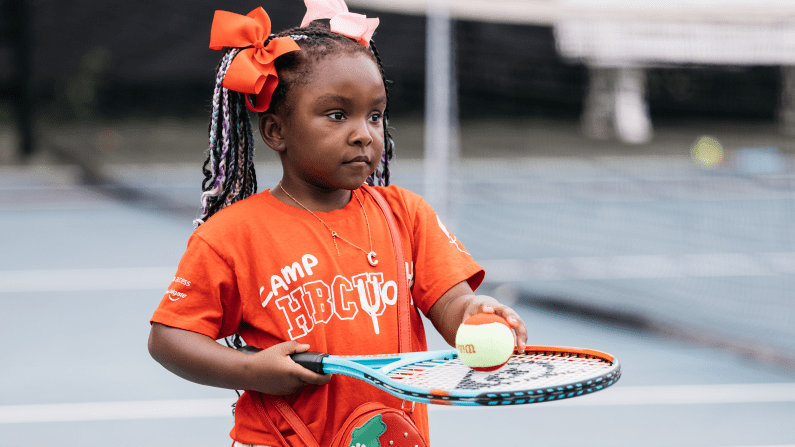
The partnership also extends into athletics and experiential learning through Clark Atlanta University’s tennis program (coached by Daisha Reed), which connects Camp HBCYouth to the USTA Foundation’s National Junior Tennis & Learning (NJTL) network.
HBCU Culture as a Foundation for Confidence and Identity
A defining element of Camp HBCYouth is its intentional focus on introducing students to HBCU culture early, reinforcing academic motivation, identity formation, and long-term aspiration.
“Exposure matters,” Fresnel said. “When young people can walk through classrooms, interact with college students, and see themselves reflected in campus leadership, it expands what they believe is possible.”
Wright echoed this sentiment, emphasizing the transformative power of early engagement with higher education.
“Exposure shapes aspirations,” he said. “When young students spend time on HBCU campuses, interact with college students, and participate in educational enrichment activities, they begin to see higher education as something attainable and expected.”
Workforce Development and the Next Generation of Leaders
Beyond its impact on younger students, Camp HBCYouth also invests directly in HBCU college students by employing them as counselors, mentors, and program leaders.
“Through our workforce development model, we employ HBCU students as counselors, mentors, content creators, and program staff,” Wright said. “This gives them valuable professional experience while they help inspire the next generation.”
Fresnel added that this dual-impact model is central to the organization’s philosophy.
“In many ways, our model allows HBCUs to continue their legacy of developing leaders while creating pathways for the next generation,” she said.
Impact on Students, Families, and Communities
Since its inception, Camp HBCYouth has served hundreds of students and created professional opportunities for more than 200 HBCU students, with continued expansion across multiple campuses.
“We’ve seen children increase their confidence, improve academically, discover new interests, and develop meaningful relationships with mentors and peers,” Fresnel said. “For many families, Camp HBCYouth becomes much more than a summer camp—it becomes a community.”
Wright noted that the long-term goal is not only exposure but transformation, as well.
“I hope students leave knowing that they belong in spaces of excellence and that their dreams are achievable,” he said. “Most importantly, I hope they leave believing in themselves and understanding that they have the ability to create their own future.”
A Model for Institutional and Community Collaboration
As Clark Atlanta University and Camp HBCYouth continue their partnership, both organizations point to a broader vision: expanding access to HBCU experiences nationwide and strengthening the pipeline from early education to higher learning.
“Camp HBCYouth is about much more than a summer camp,” Fresnel said. “We are building a movement that introduces young people to the power of education, culture, leadership, and community at an early age.”
Wright’s reflection on the program underscores its enduring purpose.
“At its core, Camp HBCYouth exists to help young people see what is possible,” he said. “Sometimes all it takes is one experience to change the trajectory of a life.”
Through this partnership, Clark Atlanta University continues to reaffirm its role not only as an institution of higher learning but also as a catalyst for possibility—where the future of education begins long before college applications are ever submitted.